Source Jewelry Display Tray for Retail, Travel, and Storage
Find 30 distinct options for a jewelry display tray to organize and showcase trinkets. Compare materials like pine wood, glass, and PE+ABS across various sizes and styles to meet your specific retail or personal storage needs.
Key considerations
Products List






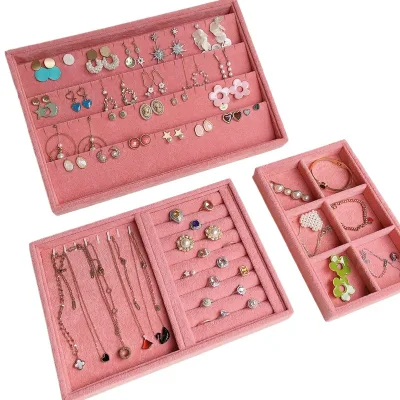
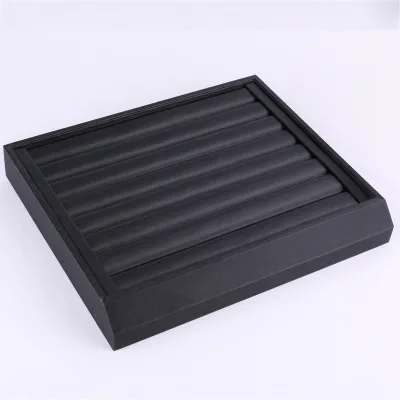
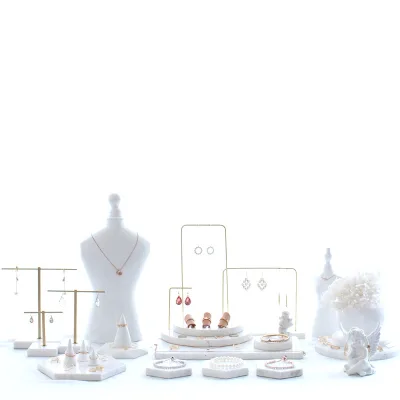

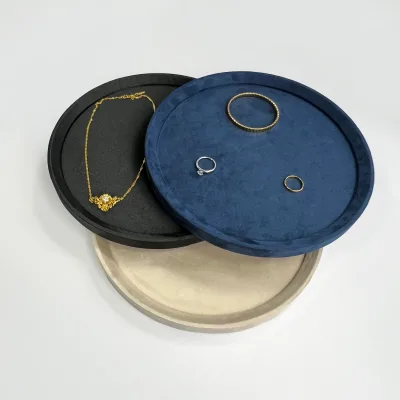



Comprehensive Sourcing Guide
Jewelry Display Tray Sourcing Guide
Sourcing jewelry display trays requires a nuanced understanding of material properties, aesthetic alignment, and functional durability. These trays serve as critical touchpoints in retail environments, bridging the gap between product protection and visual merchandising. Buyers must evaluate how different materials interact with light, weight, and customer handling to ensure the display enhances rather than detracts from the perceived value of the jewelry. The decision between glass, wood, or composite materials often hinges on brand identity, target demographic, and logistical constraints.
This guide provides a structured approach to evaluating suppliers and products based on observed market data and standard procurement practices. It focuses on verifying technical specifications, ensuring compliance, and managing commercial risks. By adhering to evidence-based verification steps, buyers can mitigate the risk of receiving products that fail to meet aesthetic or functional expectations. The following sections detail the critical factors that influence sourcing decisions for jewelry display trays, from initial product scope analysis to long-term supplier relationship management.
Product Scope and Observed Listing Signals
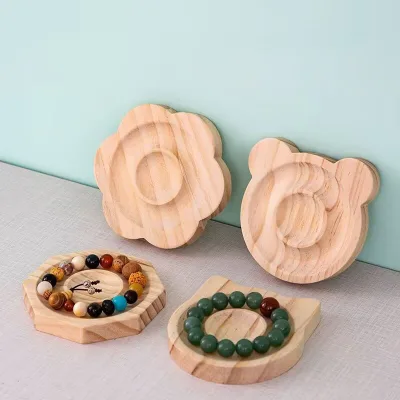
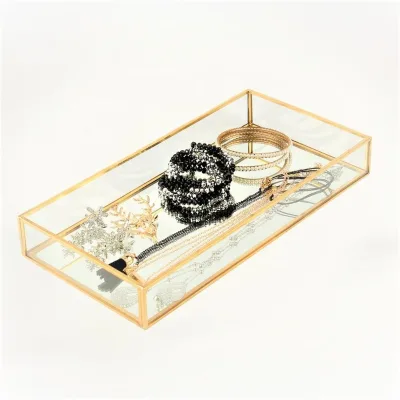
The current market for jewelry display trays exhibits significant diversity in materials, ranging from natural pine wood to tempered glass and composite plastics like PE+ABS. Observed listings indicate a strong preference for specific aesthetic finishes, such as carved wood designs or gold-mirror bases, which cater to distinct retail themes. For instance, wooden trays often feature a "carved" technique and are marketed as portable trinket dishes, appealing to buyers seeking organic, rustic, or artisanal displays. In contrast, glass trays with mirror bases and modern rectangular designs target contemporary or luxury retail environments. Understanding these material distinctions is essential for aligning product selection with brand identity.
Listing signals also reveal variations in packaging and physical dimensions that impact logistics and shelf space. Products are frequently packed in OPP bags or individual boxes, with single package sizes ranging from compact 19x19x2.5 cm units to larger 34.5x20x9 cm packages. Weight observations vary widely, from lightweight 0.050 kg items to heavier 0.612 kg glass trays, which directly influences shipping costs and handling requirements. Buyers should note that color options are not limited to standard hues; some listings offer multi-size color sets or specific finishes like white, brown, or gold, allowing for customized visual merchandising strategies.
Technical Specifications to Verify
Dimensional accuracy is a primary technical concern, as trays must fit specific jewelry items and display fixtures. Observed sizes include compact 9.5x9.5 cm wooden holders and larger 300x152x42 mm glass trays, with thicknesses varying from 1.5 cm to 2.5 cm depending on the material. Buyers must verify that the listed dimensions match the actual product, particularly for items marketed with multiple size options such as 5x5, 7x7, or 9x9 cm variants. Inconsistent sizing can lead to poor product presentation or wasted shelf space, so requesting physical samples or detailed CAD drawings is recommended before placing bulk orders.
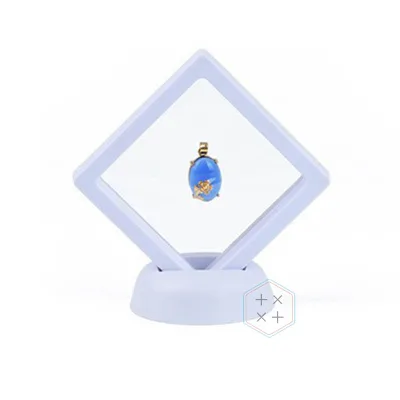
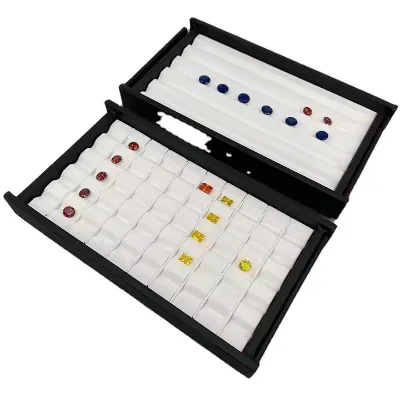
Material integrity and construction methods also require rigorous verification. Wooden trays may be constructed using connect methods and carved techniques, while glass trays often feature mirror bases and modern styling. Composite materials like PE+ABS offer durability and waterproof features, making them suitable for high-traffic or humid environments. Buyers should confirm the specific material composition, such as pine wood or velvet lining, and assess the quality of finishes like printed patterns or artwork designs. Ensuring that the build method and material type align with the intended usage environment is crucial for long-term product performance.
Compliance and Safety Documentation
Safety standards are particularly relevant for glass and composite display trays, which may be subject to impact resistance and chemical safety regulations. Buyers should verify that glass trays meet local safety standards for tempered glass, ensuring they are less likely to shatter into sharp fragments if dropped. For products made from PE+ABS or other plastics, compliance with food-contact or toy-safety standards may be required if the trays are used in environments where children are present. Requesting test reports from accredited laboratories can provide assurance that the materials do not contain harmful substances like lead or phthalates.
Wooden trays, often sourced from regions like Jilin, China, should be checked for compliance with forestry sustainability standards and formaldehyde emission limits. Carved wooden products may require specific finishing treatments to prevent splintering or degradation over time. Buyers should inquire about the source of the wood and the type of finishes used, ensuring they are non-toxic and durable. Additionally, for products marketed with specific features like waterproofing, buyers should request evidence of performance testing to validate these claims, especially if the trays are intended for use in bathrooms or outdoor settings.
Cost Drivers and Commercial Terms
Pricing for jewelry display trays is influenced by material costs, manufacturing complexity, and order volume. Observed price ranges vary significantly, reflecting differences in material quality and design intricacy. Minimum Order Quantities (MOQs) typically range from 3 to 1000 pieces, with some suppliers requiring higher volumes for custom designs or specific materials. Buyers should negotiate MOQs based on their inventory turnover rates and storage capacity, considering that lower MOQs may result in higher per-unit costs. Understanding the cost structure helps in budgeting for both initial orders and replenishment cycles.
Packaging and shipping costs are additional commercial factors that impact the total landed cost. Products packed in OPP bags or individual boxes may have different handling requirements and dimensional weights. Buyers should clarify whether packaging costs are included in the unit price and whether custom packaging options are available at an additional cost. Lead times can also vary based on production complexity and order size, so establishing clear delivery schedules is essential for maintaining stock levels. Negotiating favorable payment terms and shipping arrangements can further optimize the overall procurement cost.
Supplier Qualification and Quality Control
Supplier qualification involves assessing manufacturing capabilities, quality control processes, and past performance. Buyers should verify the supplier’s production capacity and ability to meet specific design requirements, such as carved wood patterns or mirror base finishes. Requesting references or case studies from previous clients can provide insights into the supplier’s reliability and consistency. Additionally, evaluating the supplier’s response to inquiries and their willingness to provide samples is a key indicator of their professionalism and commitment to customer satisfaction.
Quality control measures should be established to ensure that products meet specified standards before shipment. Buyers should define clear acceptance criteria for dimensions, material quality, and finish consistency. Implementing pre-shipment inspections or third-party quality audits can help identify defects early and prevent costly returns. For products with custom features like printed patterns or specific colors, buyers should approve physical samples before mass production begins. Establishing a robust quality control process reduces the risk of receiving substandard products and ensures that the final display trays meet brand expectations.
Long-Term Procurement Checks
Long-term procurement success depends on continuous monitoring of supplier performance and market trends. Buyers should regularly review supplier delivery times, product quality, and communication responsiveness to identify potential issues early. Establishing a scorecard system to track key performance indicators can facilitate objective evaluations and drive continuous improvement. Additionally, staying informed about changes in material costs, regulatory requirements, and consumer preferences allows buyers to adapt their sourcing strategies proactively.
Building a diversified supplier base can mitigate risks associated with single-source dependencies. Buyers should consider engaging multiple suppliers for different product types or materials to ensure supply chain resilience. Regularly reviewing contract terms and negotiating favorable conditions based on performance can strengthen the buyer-supplier relationship. Furthermore, exploring opportunities for collaborative design or co-development can lead to innovative products that better meet market demands. By maintaining a strategic approach to supplier management, buyers can ensure a steady supply of high-quality jewelry display trays that support their retail objectives.
FAQs
What materials are used for jewelry display trays?
Jewelry display trays are crafted from various materials including pine wood, glass, and PE+ABS plastic. Wood options often feature carved designs and mirror bases for aesthetic appeal. Glass trays provide a sleek, modern look with reflective surfaces. Plastic variants offer durability and lightweight portability for different display needs.
Can I customize the size of a jewelry display tray?
Yes, customization is available for many jewelry display trays. Suppliers offer various dimensions such as 9.5x9.5cm for wooden holders or larger sizes like 300x152x42mm for glass trays. Buyers can select from multiple size options to fit specific jewelry collections or counter spaces effectively.
What is the typical MOQ for jewelry display trays?
The minimum order quantity varies by supplier and product type. Some wooden display holders have an MOQ of 200 pieces, while other items may require between 3 and 1000 units. Buyers should check specific product listings to confirm the exact MOQ requirements for their desired order volume.
How are jewelry display trays packaged for shipping?
Packaging methods differ based on the material and supplier. Wooden trays are often packed in OPP bags for protection. Glass and plastic trays may use individual cartons or protective wrapping to prevent damage during transit. Proper packaging ensures the items arrive in pristine condition for immediate display use.
Where are jewelry display trays typically manufactured?
Many jewelry display trays are manufactured in China, with specific origins like Jilin province noted for wooden products. Manufacturers in this region specialize in carved wood, glass, and plastic display solutions. Buyers can source directly from these locations to access a wide variety of styles and materials.
What styles are available for jewelry display trays?
Jewelry display trays come in various styles including modern, popular, and desktop designs. Options range from rectangular glass mirror trays to carved wooden holders. Some feature artwork designs or simple functional aesthetics. Buyers can choose styles that match their retail environment or personal collection organization needs.